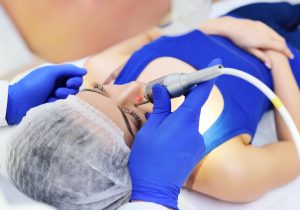
Vaginal inflammation is a sensitive condition caused by an overgrowth of bacteria and microorganisms. Almost no woman escapes this condition during her lifetime, and it is the most common reason for visiting a gynecologist. Although these infections are unpleasant, they can usually be cured without any lasting effects. However, if left untreated, they can develop into a chroniccondition that may lead to infertility.
What causes vaginitis?
There are many possible causes of inflammation in women. These may include:
the use of antibiotics—which kill both harmful and beneficial microorganisms
hormonal changes – higher estrogen levels cause changes in pH
weakened immune system
poor hygiene habits—such as using scented toilet paper, sanitary pads, and tampons, or washing the genital area too frequently with irritating cosmetics
an unhealthy diet—for example, one high in sugar
inappropriate underwear—tight and synthetic underwear creates a warm, moist environment in which yeast thrives; staying in a wet swimsuit for long periods in the summer or wearing tight jeans can be just as risky
risky sexual behavior
Types of Vaginitis and Their Symptoms
Correctly identifying the type of inflammation is essential for selecting an effective treatment. This is because each type has different symptoms and requires a different treatment approach.
Yeast infection is the most common inflammation of the female reproductive tract. In most cases, it is caused by the yeast Candida albicans. A typical symptom is a white, clumpy discharge resembling cottage cheese in consistency, accompanied by a burning sensation and itching. In some women, the infection recurs—in such cases, the partner must also be treated.
Bacterial vaginosis is most commonly caused by the bacterium Gardnerella vaginalis. It presents as a grayish, watery discharge with a strong fishy odor, which becomes more pronounced if left untreated. It is treated with antibiotics.
Trichomoniasis is caused by the protozoan Trichomonas vaginalis. It presents with a profuse, watery discharge and lower abdominal pain, and usually affects the urinary tract as well. Treatment also involves antibiotics.
Chlamydia infections are particularly insidious because more than half of women experience no symptoms at all. If symptoms do appear, they include a mucopurulent discharge, a burning sensation when urinating, and lower abdominal pain. An untreated chlamydia infection can lead to infertility.
Viral infections are caused by herpes viruses and papillomaviruses. Herpes infections manifest as painful clusters of blisters in the genital area. Papillomavirus infections, on the other hand, are painless; however, some strains increase the risk of cervical cancer. Viral infections require special attention during pregnancy.
How is vaginitis diagnosed?
Although many women can guess the type of infection based on their symptoms, only a gynecologist can make a reliable diagnosis based on laboratory tests. This is especially important for infections that recur or do not respond to standard over-the-counter treatments.
At our clinic, before any GYNOLASER treatment, you will first meet with our doctor for an initial consultation. The goal is to determine the cause of your recurring symptoms, assess your health, and verify whether laser therapy is appropriate for you. Seek medical attention immediately if you are bleeding outside of your menstrual period, experiencing severe lower abdominal pain, or if your symptoms occur during pregnancy.
Home Remedies and Folk Remedies for Vaginal Inflammation
Vaginal inflammation, yeast infections, fungal infections, and vaginal discomfort in general are very common these days. You can find plenty of home remedies online, such as chamomile sitz baths or applying yogurt. These tips usually provide quick relief from vaginal burning or itching, but they do not cure the inflammation.
There are also many medications available, including pills, ointments, vaginal suppositories, and antibiotics for vaginal inflammation. Most women choose this type of treatment. However, sometimes the medication only provides temporary relief, and the inflammation recurs.
GYNOLASER – A Successful Solution for Vaginal Inflammation
At our clinic, we use a very gentle CO2 laser, which is one of the most widely used lasers in both aesthetic and gynecological medicine. The procedure involves the thermal destruction of the vaginal mucosa where infection-causing pathogens are present, thereby stimulating the production of collagen fibers within the vagina. This helps to restore the vaginal microflora, improve lubrication, and boost immunity. The accumulated inflammation is removed along with the mucosa.
In addition, the treatment tightens and firms the vaginal area, effectively rejuvenating the intimate regions. GYNOLASER thus offers many other benefits, such as the treatment of mild to moderate incontinence, vaginal tightening, and improved vaginal lubrication—which in turn enhances sexual satisfaction. A consultation with our doctor is required prior to the treatment. The procedure is not performed during menstruation.
No complicated preparations or recovery period
GYNOLASER treatment is non-invasive and completely painless, with no surgical incisions or bleeding. No anesthesia is required. We insert a special narrow CO2 laser tip designed for gynecological treatments into the inner part of the vagina. Most of our clients do not feel the treatment; there may only be a slight feeling of discomfort when the tip enters the vagina.
After the treatment, the client returns to her normal routine; the only restrictions are that she must abstain from sex for one week and avoid tanning beds and public wellness centers for one week.
The procedure itself is very quick and painless. It will boost the immunity of your intimate areas, helping to protect against recurrent infections.
What is the difference between Gynolaser and traditional antibiotic treatment?
Antibiotics specifically target and eliminate certain bacteria and are essential for accurately diagnosed bacterial infections. Gynolaser does not target a specific pathogen, but restores the vaginal mucosa’s natural resistance to infections in general. The two methods are therefore not mutually exclusive—laser therapy is an ideal solution for women for whom antibiotics provide only temporary relief and whose infections recur.
Frequently Asked Questions
Is the GYNOLASER procedure painful?
No, it is a non-invasive procedure performed without anesthesia, which usually takes 20 minutes. We use numbing creams to ensure maximum comfort for our clients.
Who is the procedure suitable for?
For women who suffer from recurrent infections and inflammation. Any woman 18 years of age or older can undergo the procedure; younger women may do so with parental consent.
How many GYNOLASER treatments are needed?
The number of treatments is determined individually based on an initial consultation with our doctor. Results are usually noticeable after the first procedure.
How long does recovery take?
GYNOLASER treatment requires no recovery time. You can go home immediately after the procedure and return to your normal routine. The only restrictions are one week of sexual abstinence and avoiding tanning beds or public wellness centers for one week.
Is the treatment suitable after menopause?
Yes. After menopause, estrogen levels drop, causing dryness of the mucous membranes and increasing susceptibility to vaginal infections. Laser treatment restores lubrication and the resilience of the mucous membrane, making it particularly beneficial for women during this time.
Can the treatment be performed during pregnancy?
No. Gynolaser treatment is not performed during pregnancy. Similarly, the procedure is not performed during menstruation.
Irena B.
Veliká pochvala sestřičce Verči na recepci. Paní je velice milá, příjemná a hodná. Mohu jen doporučit 🙂👍
... zobrazit vícezobrazit méně
26. 4. 2017
Mária F.
kvalita a citlivy pristup
... zobrazit vícezobrazit méně
26. 11. 2018
Petra D.
super, jsem moc spokojená konečně ekzém z očních víček je pryč 😊 , velice ráda doporučuji
... zobrazit vícezobrazit méně
11. 10. 2019
Mili R.
p. Doktorka je 100% profik 👍i když někdy nestíhá 😰je tak skvělý estetik 👍ze to stojí za to čekat 😍nikoho lepšího neznám a to mám velký přehled 😍
... zobrazit vícezobrazit méně
26. 11. 2018
Ilona Ž.
Perfektní přístup a úžasná péče - na stupnici hodnocení 1-10 bych na základě osobní zkušenosti dala 11👍zejména díky vstřícnému a velmi lidskému přístupu paní doktorky Vykutilové.
... zobrazit vícezobrazit méně
26. 11. 2018
1993
we have been taking care of you for 33 years
787+
clients have undergone this procedure
Evaluation of the intervention
4.5/5 - (242 hodnocení)
PRICE LIST
Price of the procedure
The consultation is free if you also undergo treatment during your visit.